Introduction
Not all soaps are created equal. The method used to make soap dramatically affects its quality, texture, and benefits. Here’s everything you need to know about how we make our products.
The Basics: What is Saponification?
Soap is made through a chemical process called saponification—when oils and fats react with lye (sodium hydroxide for bar soap, potassium hydroxide for liquid soap) to create soap and glycerin. The method we use determines the soap’s texture, cure time, and final properties.
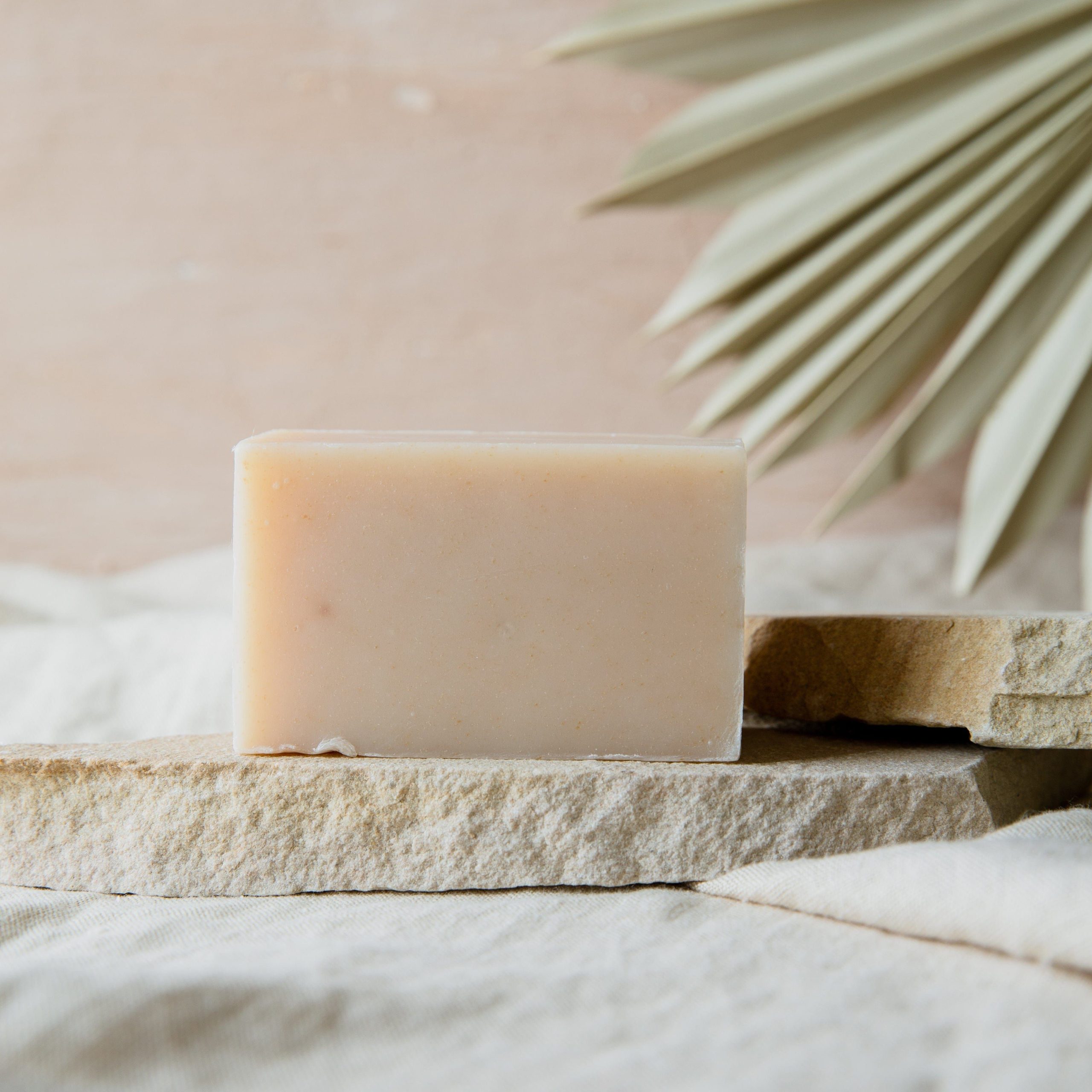
Cold-Process Soapmaking: Our Bar Soaps
Cold-process soapmaking combines oils and lye at low temperatures (usually around 100–110°F), then allows the soap to cure naturally over 4–6 weeks.
Why We Use It
- Preserves the beneficial properties of our oils and butters
- Retains all natural glycerin (a humectant that draws moisture to skin)
- Creates a hard, long-lasting bar
- Allows for beautiful natural swirls and designs
The Process
- Oils and butters are melted and combined
- Lye solution is carefully mixed in
- Mixture is poured into molds
- Soap hardens over 24–48 hours
- Bars are cut and left to cure for 4–6 weeks
Why the Long Cure?
During curing, excess water evaporates and the soap becomes milder and harder. This wait is worth it—you get a gentler, longer-lasting bar.
Our Cold-Process Soaps: Avir (Air) | Laila (Night) | Dvash (Honey)
Hot-Process Soapmaking: Our Liquid Soaps
Hot-process liquid soap making uses heat to accelerate saponification, creating a smooth, pourable liquid soap that’s ready to use much faster.
Why We Use It
- Creates a versatile liquid format perfect for pumps and dispensers
- Maintains the same quality ingredients as our bar soaps
- Offers a lighter feel for those who prefer liquid cleansers
- Perfect for hand soap, body wash, and refillable containers
Our Hot-Process Liquid Soaps: Haver (Friend) | Lehaet (Slow)
Which Should You Choose?
Choose Bar Soap If:
- You prefer traditional soap bars
- You want maximum longevity (bars last longer)
- You’re looking to reduce plastic waste
- You like firmer lather
Choose Liquid Soap If:
- You prefer pump dispensers
- You want a lighter, more fluid texture
- You’re using it as body wash
- You’re transitioning from commercial liquid soaps
The Bottom Line
Whether you choose bar or liquid, you’re getting handcrafted soap made with intention, care, and ingredients your skin can trust. The method is different, but the commitment to quality is the same.